People often come across the phrase vanilla meaning in relationship while scrolling social media, dating apps, or relationship forums.
The term sounds simple, almost playful, yet it carries deeper emotional and behavioral implications depending on how it’s used.
That curiosity is exactly why so many people search for it.
In modern relationship language, “vanilla” is not about ice cream at all.
It’s a label people use to describe certain preferences, personalities, or dynamics between partners.
Sometimes it’s neutral, sometimes affectionate, and other times it can feel dismissive or judgmental.
Understanding what this term truly means helps avoid misunderstandings and lets you respond confidently if someone uses it to describe you or your relationship style.
Definition & Meaning
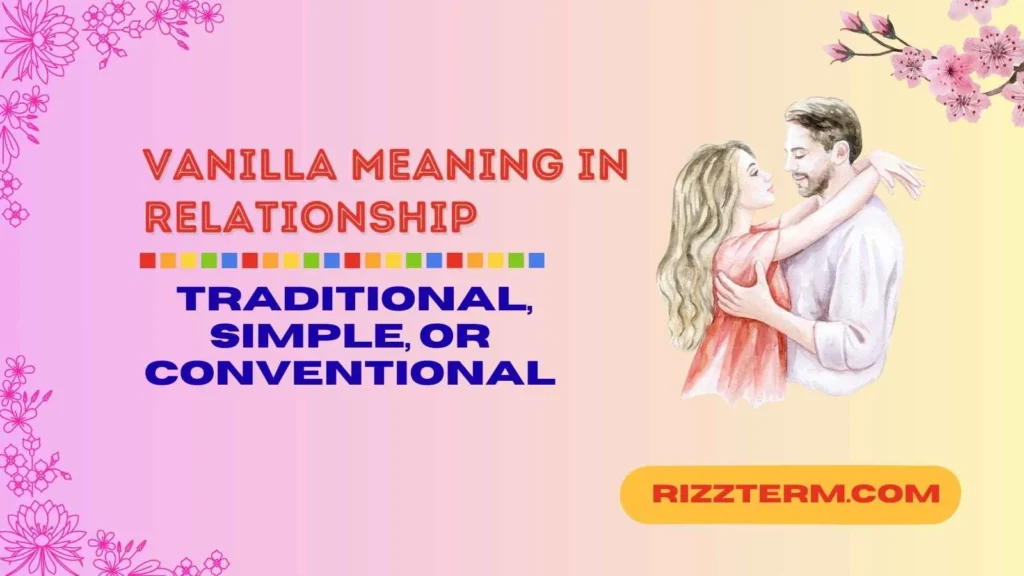
The phrase vanilla meaning in relationship generally refers to a person or relationship style that is considered traditional, simple, or conventional—especially in romantic or intimate behavior. It suggests that someone prefers emotional connection, standard affection, and common relationship dynamics rather than adventurous, experimental, or unconventional ones.
In most contexts, “vanilla” implies comfort with normal relationship patterns such as:
- Emotional bonding over thrill-seeking
- Classic dating behavior
- Predictable affection and communication
- Stability over excitement
It is often used in discussions around intimacy preferences, where “vanilla” means someone prefers straightforward, gentle, and familiar expressions of love. However, it can also describe someone’s overall personality in relationships—calm, affectionate, loyal, and emotionally safe.
The key point is that being “vanilla” is not negative by default. In fact, many people intentionally seek partners who are emotionally stable and prefer simple relationship dynamics. The misunderstanding comes when the term is used in a mocking or belittling way, suggesting a lack of excitement or creativity.
Background & History
The use of “vanilla” to describe behavior dates back decades in pop culture and slang. Vanilla, as a flavor, is considered classic, basic, and widely accepted. Over time, this idea was transferred into social language to describe people or choices that are traditional or mainstream.
In relationship and intimacy discussions, the term became popular in online communities, forums, and later dating apps. As people began openly discussing preferences and personalities, labels like “vanilla” emerged to categorize styles of affection and relationship behavior.
It gained momentum particularly in the era of digital dating, where individuals began defining themselves using quick, relatable terms. Calling someone “vanilla” became a shorthand way to describe someone who prefers safe, emotionally secure relationship dynamics.
Today, the term is widely understood across social platforms, though its tone depends entirely on context.
Usage in Various Contexts
The vanilla meaning in relationship can vary depending on where and how it’s used:
- Dating apps: Used to describe someone’s personality or intimacy preference
- Social media: Often used humorously or sarcastically
- Relationship discussions: Used neutrally to explain preference for simplicity
- Friend conversations: Sometimes used teasingly
For example:
- “He’s too vanilla for me” may mean the person prefers excitement.
- “I like vanilla relationships” may mean preference for emotional safety and simplicity.
| Context | Meaning of Vanilla | Tone |
|---|---|---|
| Dating profile | Traditional, emotionally grounded | Neutral |
| Meme or joke | Basic, predictable | Playful |
| Relationship talk | Prefers simple affection | Positive |
| Argument or insult | Boring, unadventurous | Negative |
Common Misconceptions & Clarifications
Many people wrongly assume that “vanilla” equals boring. This is not accurate.
Clarifications include:
- Vanilla does not mean lack of passion.
- It does not mean someone lacks personality.
- It does not mean a relationship is dull.
- It simply reflects comfort with normal, emotionally safe dynamics.
In reality, many long-term successful relationships are described as “vanilla” because they rely on trust, communication, and stability rather than constant excitement.
Similar Terms & Alternatives
Other terms often confused with or related to “vanilla” include:
- Traditional
- Conventional
- Classic
- Simple
- Safe
- Old-school romantic
These words often carry similar meanings but lack the playful or slang tone that “vanilla” carries in modern usage.
How to Respond to This Term
“Yes, I like keeping things simple and meaningful.”
“I prefer emotional connection over drama.”
“I’m comfortable with who I am and what I like.”
Owning the label confidently often removes any negative power behind it.
Regional or Cultural Differences
In some cultures, being “vanilla” is considered ideal because traditional relationship roles are valued. In others, especially modern urban dating cultures, excitement and experimentation are emphasized, making “vanilla” seem less desirable.
This difference is why the term may feel like praise in one place and criticism in another.
Comparison with Similar Terms Usage in Online Communities & Dating Apps
Online, people categorize themselves quickly. Terms like “vanilla,” “adventurous,” or “experimental” are used to signal compatibility.
Someone describing themselves as vanilla is often trying to attract partners who value emotional stability rather than thrill-seeking behavior.
Hidden or Offensive Meanings
In rare cases, “vanilla” can be used to shame someone for being too conventional. This is where the term becomes offensive. However, this usage depends entirely on tone and intention.
Suitability for Professional Communication
The term is slang and not suitable for professional environments. It should remain within informal, personal, or social discussions.
FAQs:
What does vanilla mean in a relationship?
It means someone prefers simple, traditional, and emotionally secure relationship dynamics.
Is calling someone vanilla an insult?
Not always. It depends on tone and context.
Can a vanilla relationship be passionate?
Yes, passion and simplicity can exist together.
Why do people use this term on dating apps?
To quickly describe their personality and preferences.
Is vanilla the same as boring?
No, it only refers to being conventional or traditional.
Should I feel bad if someone calls me vanilla?
No, many people value and seek this relationship style.
Conclusion:
Understanding the vanilla meaning in relationship removes the confusion around a term that is often misunderstood. It simply reflects a preference for emotional safety, simplicity, and traditional affection.
Rather than seeing it as a limitation, many view it as a strength that supports stable and meaningful connections. The term only becomes negative when used with the wrong intention.
Embracing your relationship style confidently is far more important than the label attached to it.