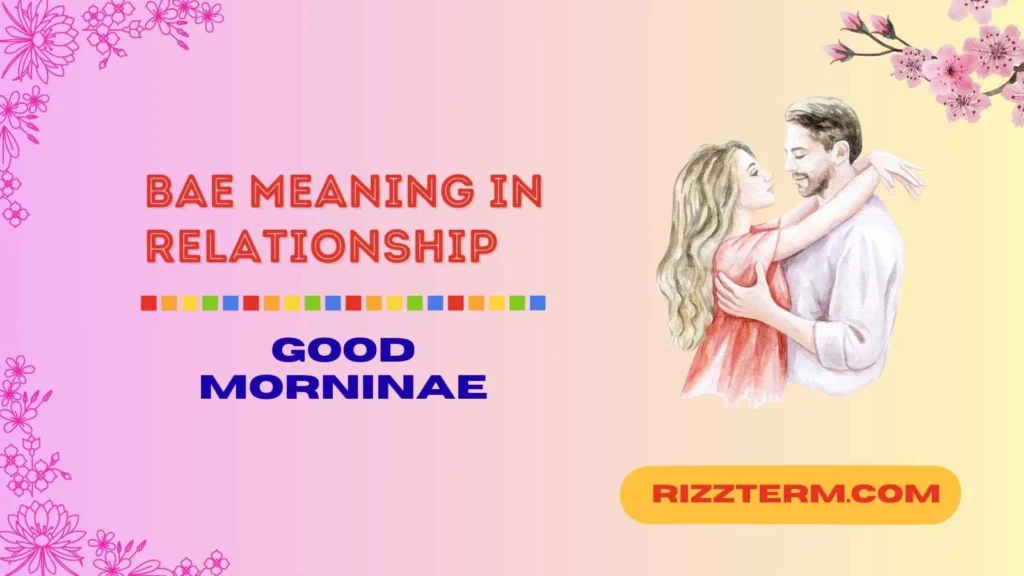
The phrase bae meaning in relationship has become one of the most searched expressions in modern dating conversations.
People often hear it in songs, social media captions, or casual chats and wonder what it truly represents. Is it simply a cute nickname, or does it carry deeper emotional significance?
In today’s digital world, relationship language evolves quickly.
Terms like this often start as slang but become widely accepted forms of affection. Understanding the context behind such words helps avoid confusion and awkward misunderstandings.
This article explores its meaning, history, usage, and whether it is appropriate in different settings. By the end, you will clearly understand how and when to use it naturally.
Definition & Meaning
In romantic relationships, “bae” is commonly used as a term of endearment. It is typically directed toward a romantic partner, someone you deeply care about, or a person you consider emotionally important. Many people interpret it as a shortened form of “baby” or “babe.” Others believe it stands for “before anyone else,” symbolizing priority in affection.
In practical use, the term expresses closeness, love, and attachment. For example:
- “Good morning, bae.”
- “That’s my bae.”
- “Miss you, bae.”
It functions similarly to affectionate nicknames like sweetheart, darling, or love. However, its tone is usually more playful and modern.
In a relationship context, using this term signals emotional intimacy. It suggests exclusivity and affection, though its seriousness depends on the couple. Some use it casually, while others reserve it for committed partners.
Importantly, meaning can shift depending on tone. Said sincerely, it expresses warmth. Used jokingly among friends, it may simply signal closeness without romantic intent.
Background & History
The word gained widespread popularity in the early 2010s, largely through social media platforms such as Instagram, Twitter, and Vine. Influencers and musicians played a significant role in spreading it across digital culture.
Hip-hop and pop music helped cement the term in mainstream vocabulary. Artists frequently used it in lyrics to express romantic affection, which normalized its usage among younger audiences.
Over time, memes and viral content further amplified its reach. What started as slang within certain communities became globally recognized. Like many internet-driven expressions, it transitioned from niche language into everyday speech.
Interestingly, debates about its origin continue. Some insist it is simply a shortened version of existing affectionate words. Others prefer the acronym explanation. Regardless of origin, its meaning today centers around romantic fondness and emotional priority.
Language evolves rapidly in the digital era, and this term is a perfect example of how online culture shapes modern relationship vocabulary.
Usage in Various Contexts
The term appears in multiple settings, each slightly altering its tone:
- Romantic Relationships – Most commonly used between partners to express affection.
- Casual Dating – Sometimes used playfully even in early stages of attraction.
- Friendships – Occasionally used jokingly among close friends.
- Social Media Captions – Frequently paired with couple photos.
- Text Messages – A quick, informal expression of care.
Tone determines meaning. In private messages, it often carries sincerity. In public posts, it may highlight relationship pride or humor.
Below is a quick comparison of contexts:
| Context | Meaning Tone | Seriousness Level |
|---|---|---|
| Committed Relationship | Affectionate & intimate | High |
| Casual Dating | Playful & flirty | Medium |
| Friendships | Humorous | Low |
| Social Media | Expressive & public | Varies |
Understanding context prevents misinterpretation.
Common Misconceptions & Clarifications
Many assume it always indicates a serious commitment. This is not true. Some couples use it lightly without attaching deep emotional weight.
Another misconception is that it is exclusively romantic. While primarily used in relationships, friends may use it humorously.
Some believe the acronym meaning is universally accepted. In reality, both interpretations coexist, and neither is officially confirmed.
Additionally, people often assume everyone likes being called this term. Preferences vary. Some individuals prefer more traditional expressions of affection.
Clarifying intent through communication prevents misunderstandings.
Similar Terms & Alternatives
There are several affectionate alternatives depending on tone and personality:
- Babe
- Baby
- Love
- Sweetheart
- Darling
- Honey
- My person
- Partner
Each carries a slightly different emotional weight. “Babe” feels traditional. “My person” sounds deeper and emotionally mature. “Honey” feels classic and warm.
Choosing the right term depends on your partner’s comfort level and cultural background.
How to Respond to This Term
- Respond warmly.
- Use it back.
- Express appreciation.
- Ask what they mean.
- Clarify expectations.
If you dislike it
- Politely communicate your preference.
- Suggest another term you’re comfortable with.
Healthy relationships rely on open communication, even about small details like nicknames.
Regional or Cultural Differences
In Western countries, especially the United States and parts of Europe, the term is widely accepted in casual relationships In more conservative cultures, it may feel too informal or overly intimate.
In South Asian communities, public use may be less common due to traditional norms around displaying affection.
Age also plays a role. Younger generations tend to adopt internet-born language faster, while older adults may prefer classic expressions.
Comparison with Similar Terms
Compared to “baby” or “babe,” this term feels more modern and digital-friendly. “Sweetheart” sounds formal and timeless. “Love” can feel both romantic and platonic depending on context.
The primary difference lies in tone. Traditional terms carry historical depth. Modern slang feels trendy and culturally tied to social media.
Usage in Online Communities & Dating Apps
On dating apps, the term can signal flirting. Some users use it early in conversations to create a sense of closeness. However, premature use may feel insincere.
In online communities, it often appears in memes, captions, and humorous content. Digital culture has amplified its flexibility.
Context and timing remain crucial.
Hidden or Offensive Meanings
Generally, the term is not offensive. However, overuse can feel insincere or manipulative in dating scenarios.
Some people interpret it as overly possessive if used too soon. Intent and delivery determine perception.
Suitability for Professional Communication
This term is not appropriate in professional settings. Using affectionate nicknames in workplaces can appear unprofessional or inappropriate.
Formal environments require respectful and neutral language.
FAQs:
Is it only used for romantic partners?
Mostly yes, but some friends use it jokingly.
Does it mean serious commitment?
Not always. It depends on the relationship.
Is it appropriate on first dates?
It can feel too soon unless both people are comfortable.
Can married couples use it?
Yes, many do as a casual affectionate term.
Is it respectful?
Generally yes, if both partners are comfortable.
Should I use it at work?
No, it is unsuitable for professional settings.
Conclusion:
Understanding bae meaning in relationship helps decode modern romantic language. It is primarily a term of affection that expresses closeness and emotional importance.
While it may seem simple, context, tone, and cultural background shape its meaning. Communication remains essential in deciding whether it feels right in your relationship.
Language evolves constantly, and affectionate terms reflect social trends. The key is mutual comfort and respect in how they are used.

Hi, I’m Lisa Brook, the writer behind Rizzterm — a space where smooth words meet serious charm. I create clever rizz lines, playful expressions, and confidence-boosting phrases that help conversations flow naturally. My goal is to turn simple words into memorable moments, making flirting fun, light, and effortless. Through Rizzterm, I share the kind of lines that spark smiles and keep the vibe strong.