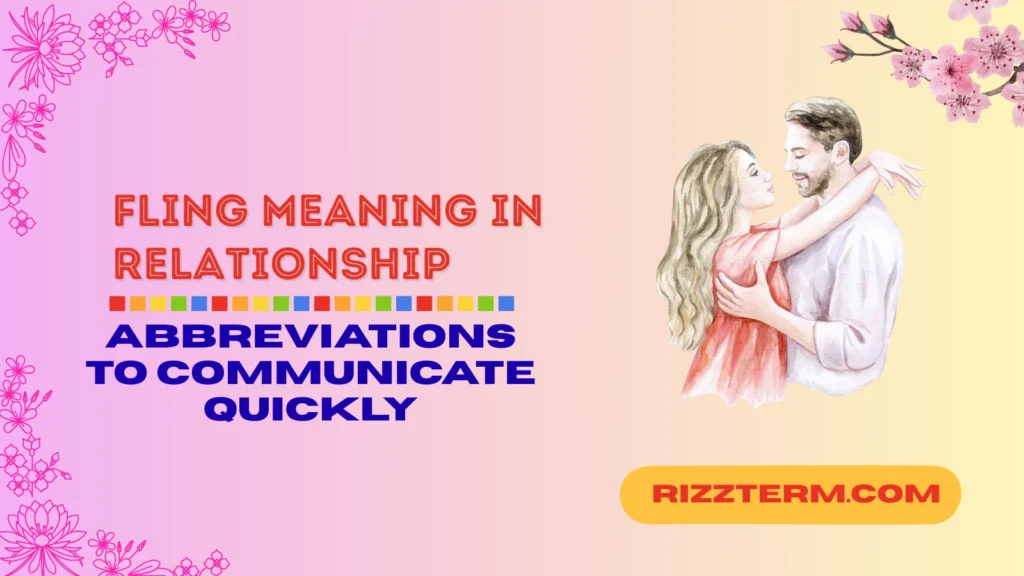
The phrase fling meaning in relationship often appears in conversations about modern dating and casual romance. Many people search for it because they want to understand whether a fling is serious, temporary, or simply a light romantic experience. With changing dating cultures, this term has become increasingly common in everyday language.
In simple terms, a fling usually refers to a short-term romantic or physical relationship that does not involve long-term commitment. People often use it when describing a brief connection that happens during travel, social events, or certain phases of life.
Understanding the true meaning of a fling can help people communicate their expectations clearly in relationships. This article explains its meaning, background, usage, misconceptions, and how it differs from similar relationship terms.
Definition & Meaning
The fling meaning in relationship generally refers to a short-lived romantic or physical relationship that is not expected to become serious or long-term. It typically involves attraction, fun, and emotional or physical connection without the responsibilities or commitments found in traditional relationships.
A fling can occur between two people who agree that their connection is temporary. Sometimes it develops naturally during a specific situation, such as a vacation, a college semester, or a brief period in someone’s life when they are not seeking a long-term partner.
Key characteristics of a fling often include:
- Short duration – It usually lasts weeks or a few months.
- Limited commitment – Partners do not expect exclusivity or long-term plans.
- Emotional lightness – Feelings may exist but are typically not deep or serious.
- Mutual understanding – Both individuals know the relationship may end soon.
However, a fling does not always mean the relationship lacks respect or care. In many cases, people genuinely enjoy each other’s company and share positive experiences even if the relationship has an expected ending.
In modern dating culture, the term often appears in conversations about casual relationships, dating apps, and temporary romance. It represents a relationship style that prioritizes freedom, exploration, and enjoyment rather than long-term stability.
Background & History
The concept behind the fling meaning in relationship has existed for centuries, even before the word itself became popular. In earlier times, literature and social stories often described brief romances, summer loves, or short-lived affairs that resemble what we now call a fling.
The word “fling” originally came from an older English expression meaning to throw or move quickly. Over time, it began to symbolize something spontaneous and energetic. By the 19th and 20th centuries, the term evolved into slang for a brief romantic adventure.
Historically, society often judged short relationships more harshly because traditional cultures emphasized long-term marriage and commitment. However, with the rise of modern dating practices in the late 20th century, casual relationships became more openly discussed.
Several cultural shifts contributed to this change:
- Increased independence in personal relationships
- The influence of movies, music, and pop culture
- Online dating platforms and social media
- Changing attitudes toward personal freedom and romance
Today, the idea of a fling is widely recognized in many parts of the world. It often represents a temporary connection between adults who understand the limited nature of the relationship.
Despite its casual nature, a fling can still hold emotional value. Many people remember such experiences as exciting phases of life, sometimes leading to personal growth or even unexpected long-term relationships.
Usage in Various Contexts
The fling meaning in relationship can vary slightly depending on the context in which the term is used. People may use it in casual conversations, entertainment media, or online discussions.
1. Everyday Conversations
In everyday language, someone might say they had a fling with a person during a certain period. This usually implies that the relationship was enjoyable but short.
Example:
“During my vacation, I had a small fling with someone I met at the beach.”
2. Pop Culture and Entertainment
Movies, television shows, and songs frequently portray flings as exciting and spontaneous romances. These portrayals often highlight the emotional thrill of a temporary connection.
3. Dating Culture
In the modern dating world, a fling may refer to casual dating situations where two people meet and enjoy time together without defining a serious relationship.
4. Travel and Lifestyle Contexts
The phrase “holiday fling” or “summer fling” often appears in lifestyle discussions. These relationships usually occur during vacations or temporary living situations.
5. Social Media and Online Discussions
Online communities frequently use the term when discussing dating experiences or relationship advice. It often appears in conversations about boundaries, expectations, and emotional clarity.
Across these contexts, the core idea remains the same: a short romantic experience that is not meant to become a long-term commitment.
Common Misconceptions & Clarifications
There are several misunderstandings about the fling meaning in relationship. These misconceptions often come from assumptions about casual dating.
Misconception 1: A fling always lacks feelings
In reality, people in a fling can still experience genuine emotions. The difference is that the relationship is not intended to develop into something serious.
Misconception 2: It is always irresponsible
Some believe a fling is careless or unhealthy. However, when both individuals communicate openly and respect boundaries, it can be a mutually enjoyable experience.
Misconception 3: It always involves physical intimacy
While many flings include physical attraction, some are simply short romantic connections without strong physical involvement.
Misconception 4: A fling can never turn serious
Occasionally, a relationship that begins as a fling can evolve into something deeper if both people develop stronger feelings.
Clarifying these misconceptions helps people understand that a fling is simply a type of relationship dynamic, not necessarily a negative or harmful one.
Similar Terms & Alternatives
Many other relationship terms are closely related to the fling meaning in relationship. These words describe different levels of commitment and emotional connection.
| Term | Meaning | Level of Commitment |
|---|---|---|
| Fling | Short-term romance with little expectation of continuation | Low |
| Casual Dating | Dating without serious commitment | Low to Moderate |
| Situationship | Undefined relationship without clear labels | Moderate |
| Hookup | Physical encounter without emotional commitment | Very Low |
| Short-Term Relationship | Temporary but somewhat structured dating | Moderate |
Understanding these terms helps people communicate clearly when discussing their relationship expectations.
How to Respond to This Term
When someone mentions a fling in conversation, it is helpful to respond with respect and understanding rather than judgment.
A few healthy ways to respond include:
- Asking for clarification if needed
- Respecting personal choices in relationships
- Avoiding assumptions about someone’s character
- Understanding that relationship styles vary among individuals
If someone tells you they want a fling, the best approach is to communicate openly about boundaries and expectations. Clear communication prevents misunderstandings and ensures both individuals feel comfortable with the situation.
Regional or Cultural Differences
The fling meaning in relationship can be interpreted differently depending on cultural values and social expectations.
In some Western societies, casual dating and short relationships are widely accepted as part of personal freedom and exploration. People may openly talk about flings without social stigma.
In more traditional cultures, short-term romantic relationships might be viewed more cautiously. Commitment and long-term partnership may be emphasized over casual connections.
However, globalization and digital communication are gradually influencing relationship norms around the world. Younger generations in many regions are increasingly familiar with casual relationship terms, including flings.
Despite these differences, cultural attitudes toward relationships continue to evolve as societies become more connected.
Comparison with Similar Terms
Although a fling is similar to other relationship types, several differences distinguish it from them.
A fling is typically shorter and more spontaneous than casual dating. Casual dating may involve multiple dates over time, while a fling can happen quickly and end just as fast.
A situationship, on the other hand, often lasts longer but lacks clear labels or defined expectations. People in a situationship might struggle to understand where the relationship is heading.
Meanwhile, a hookup focuses mostly on physical interaction, whereas a fling may include romantic experiences such as spending time together, going out, or sharing emotional moments.
These distinctions help clarify why the term “fling” holds a unique place in modern relationship vocabulary.
Usage in Online Communities & Dating Apps
Online dating platforms and social communities have significantly influenced how the fling meaning in relationship is used today.
Many dating profiles mention preferences such as:
- Casual dating
- Short-term relationships
- Open connections
These phrases often suggest the possibility of a fling rather than a long-term commitment.
In online discussions, people frequently share stories about short relationships, asking questions about emotional boundaries, communication, and expectations.
Dating apps also encourage direct communication about relationship goals, which helps individuals avoid misunderstandings when seeking a casual connection.
Hidden or Offensive Meanings
Generally, the term fling is neutral and widely accepted in conversation. However, context matters.
In some situations, using the word can sound dismissive or trivial if one partner felt the relationship was more meaningful than the other. Referring to a past relationship as “just a fling” might unintentionally minimize someone’s feelings.
Because of this, it is important to use the term thoughtfully and respectfully, especially when discussing past relationships with others.
Suitability for Professional Communication
The fling meaning in relationship belongs mostly to casual conversation. In professional or workplace communication, discussing personal romantic experiences is usually inappropriate.
While the word itself is not offensive, it is considered informal. Therefore, it should generally be avoided in professional writing, business discussions, or academic contexts unless the topic specifically relates to social or cultural studies.
Maintaining professionalism means choosing language that aligns with the context of the conversation.
FAQs:
What does a fling mean in a relationship?
A fling refers to a short-term romantic or physical relationship that usually does not involve long-term commitment.
How long does a fling usually last?
Most flings last a few weeks or months, depending on the situation and expectations of the people involved.
Can a fling turn into a serious relationship?
Yes, sometimes people develop deeper feelings and decide to continue the relationship more seriously.
Is a fling the same as casual dating?
Not exactly. A fling is often shorter and more spontaneous than casual dating.
Do flings always involve physical intimacy?
No. Some flings are mostly romantic or emotional without strong physical involvement.
Is having a fling considered unhealthy?
It depends on communication and respect. When both people understand the expectations, it can be a positive experience.
Conclusion:
Understanding the fling meaning in relationship helps people navigate modern dating with greater clarity. A fling usually describes a short romantic experience that focuses on enjoyment rather than long-term commitment.
Although these relationships are temporary, they can still involve genuine connection, memorable experiences, and mutual respect. The key factor is honest communication between both individuals.
As dating cultures continue to evolve, terms like fling help people express their relationship expectations clearly. Recognizing its meaning allows individuals to approach relationships with greater awareness and understanding.